
AS I EAT breakfast in the restaurant of my hotel, I can look down on Osaka Castle. Sitting atop a massive mound whose walls rise dramatically from the dark green waters of its wide moat, the picturesque castle is already besieged by tour buses at this early hour. Later in the day, it will be overwhelmed by massive numbers of visitors, who will strip the shops of souvenirs and fill camera memory cards with pictures.Continue reading “Osaka: Second City”
Washington DC: Monumental City
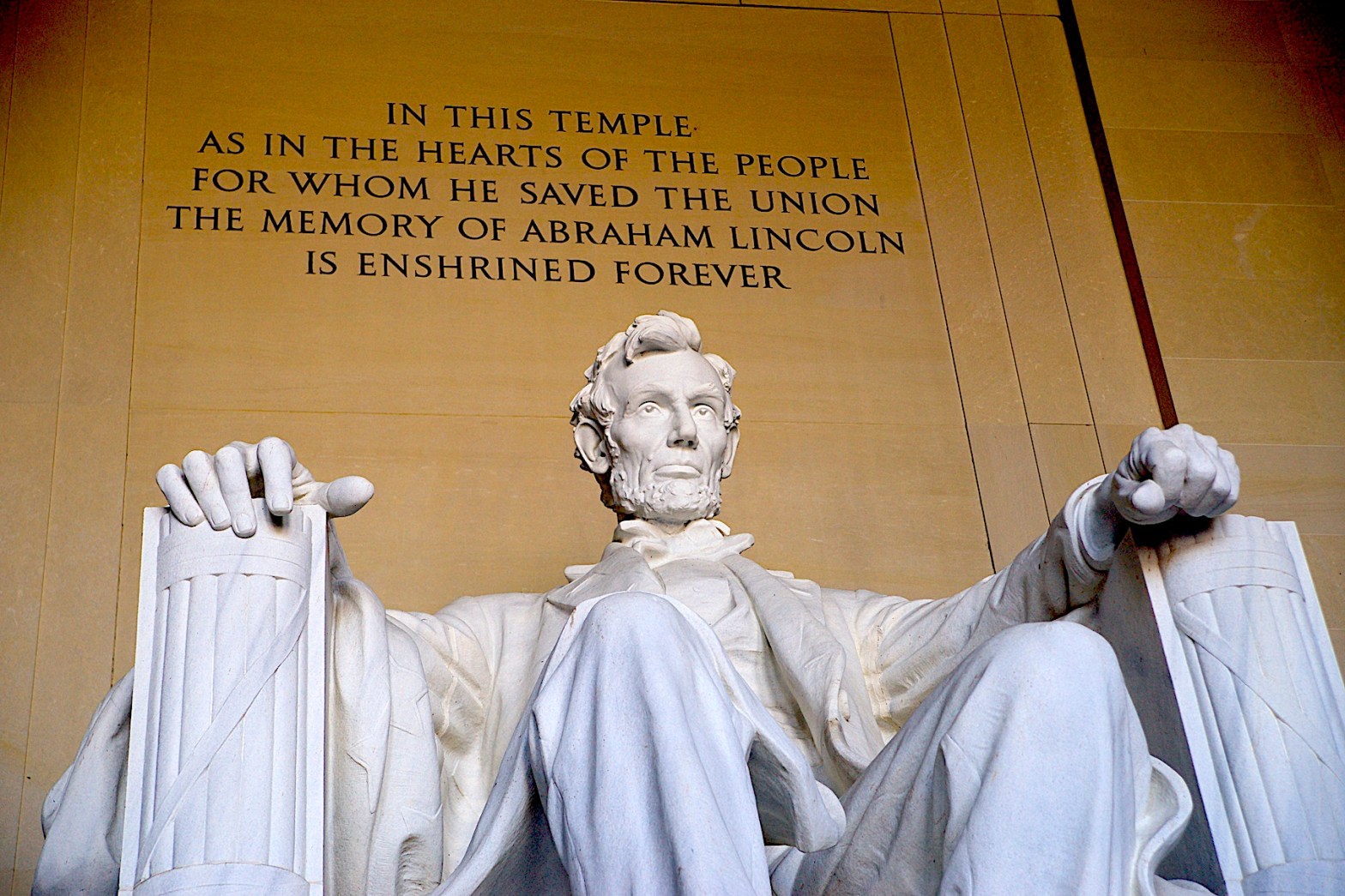
PERHAPS the best place to appreciate Washington, D.C., is from the heights of Arlington Cemetery. Here, looking out over the city spread before me, I can see the National Mall, stretching from the Lincoln Memorial to the Washington Monument and beyond. The rows of marble gravestones, laid out with military precision around me, echo the mathematical layout of a city designed by French-born architect Pierre Charles L’Enfant to have the grandeur of Paris. Diagonal avenues bisect the grid of streets that run north-south and east-west, wide boulevards that stretch out to symbolically reach the rest of America. Of course, the reality is that they just run into the Beltway, the congested ring road that has become a symbol of Washington’s isolation.Continue reading “Washington DC: Monumental City”
Istanbul: Turkish Delight

FOR A visitor, it can seem you have to leave Istanbul to see it. Looking back across the Galata Bridge at sunset, the city’s most glorious sights are laid out before me: the floodlit minarets of the mosque of Suleymaniye the Magnificent; the Topkapi Palace dominating Seraglio Point; the soaring domes of the Hagia Sophia and the Blue Mosque.Continue reading “Istanbul: Turkish Delight”
Nicaragua: Keeping Faith

“THE GUYS were lying down behind the barricades and a woman started shouting at us,” says Francisco Roiz. A guide at León’s Asociacion de Combatientes Historicos Heroes de Veracruz, a museum of the 1972–1979 Revolution, he is telling me about his experience in this revolutionary stronghold as government forces attacked. “She was cursing us and asking us if we were waiting for everyone to be killed. Then she picked up a .22 rifle and started shooting at the National Guard. That made us all get up and fight. She saved our lives.”
Bruges: Tourism Central
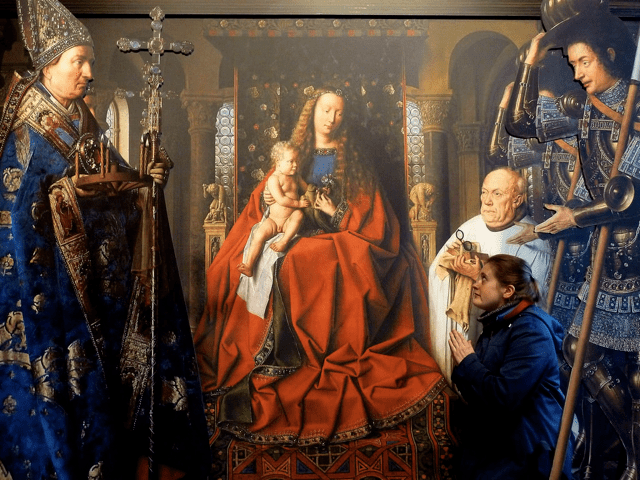
“EVEN IF you came here with no intention at all to buy chocolate, it would beat you into submission,” says an Englishwoman sitting near me at breakfast. I am not sure if that is a complaint or a justification for succumbing to the temptation of a near-endless array of chocolate shops. But welcome to Bruges, where tourists are spoilt for choice on every corner.
Venice: The Ghetto

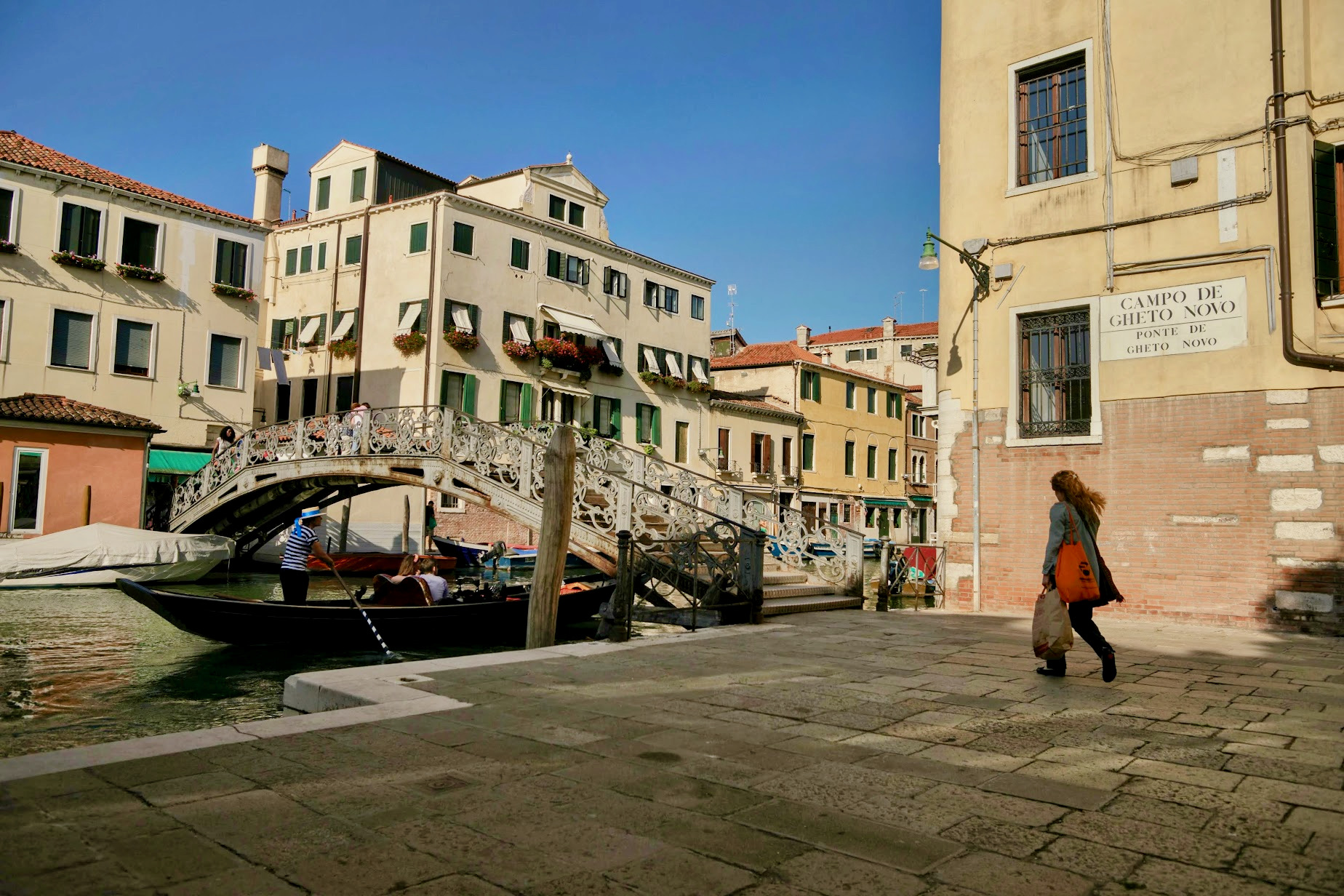
IT’S HARD TO stumble on the Ghetto of Venice. You have to go looking for it. Two entrances are low, uninviting gates. The third is over a lovely cast-iron bridge across Rio della Miseracordis. That’s well off the well-trodden path through the Cannaregio district between the Rialto Bridge and Santa Lucia train station. The diversion is one worth taking.

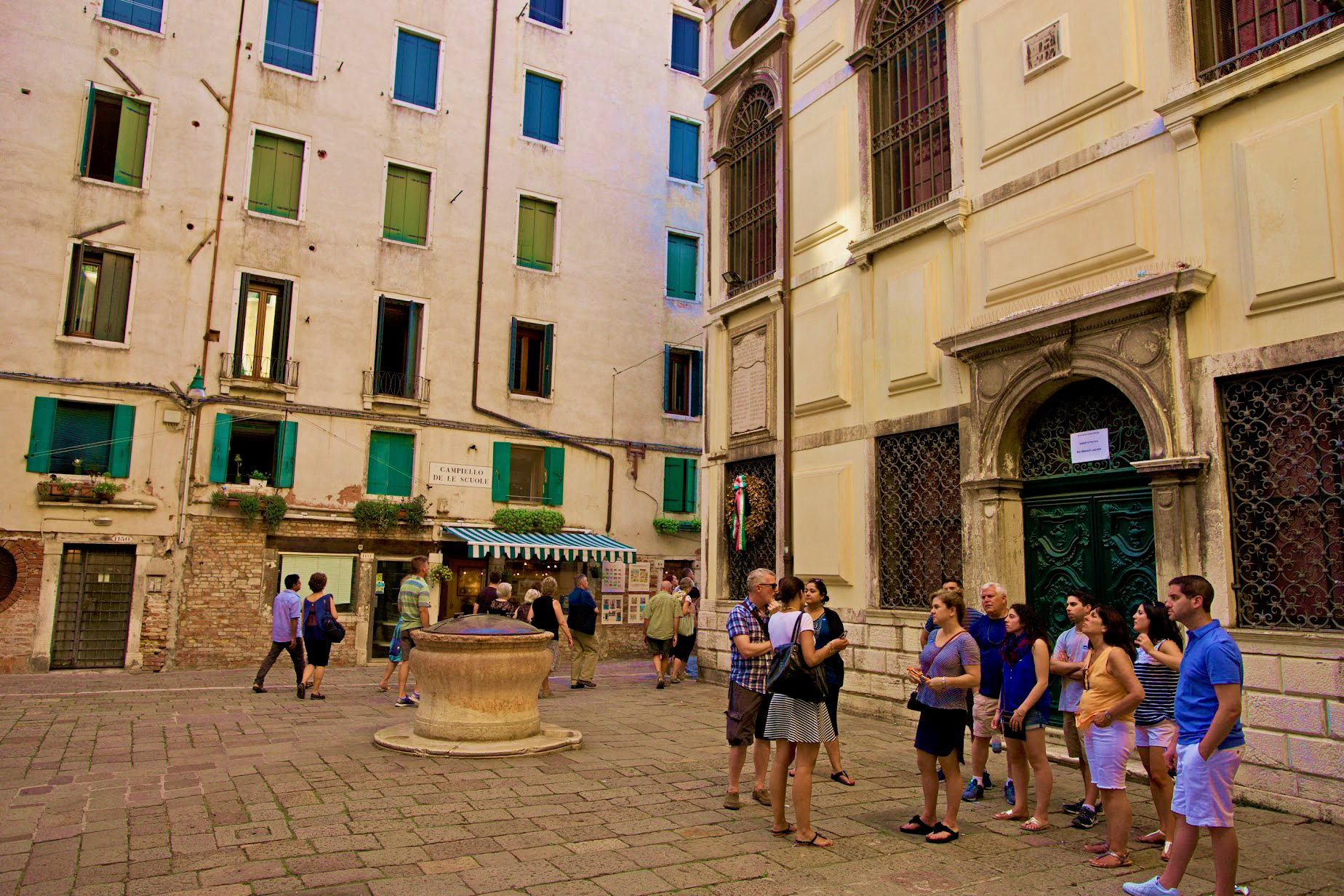




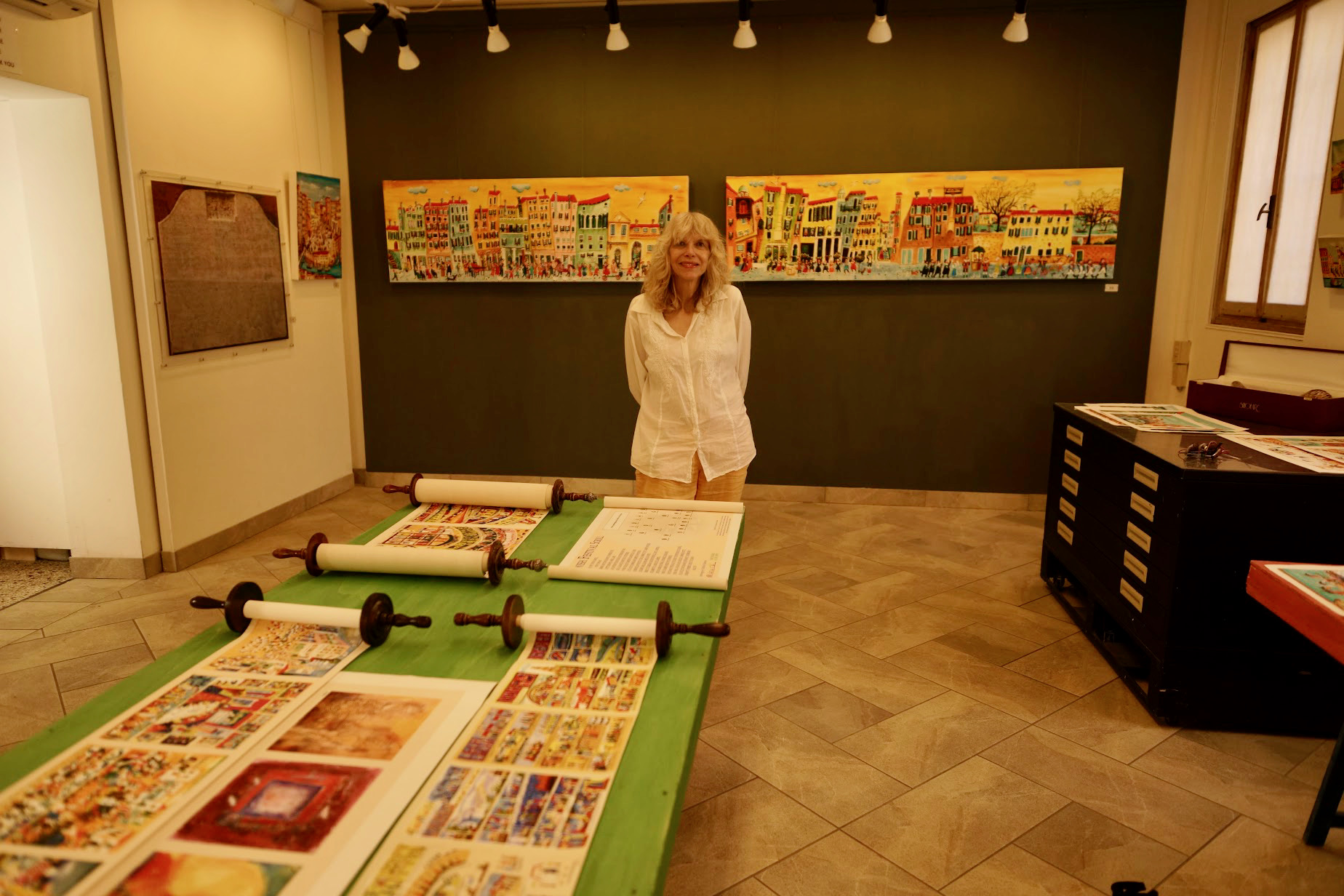
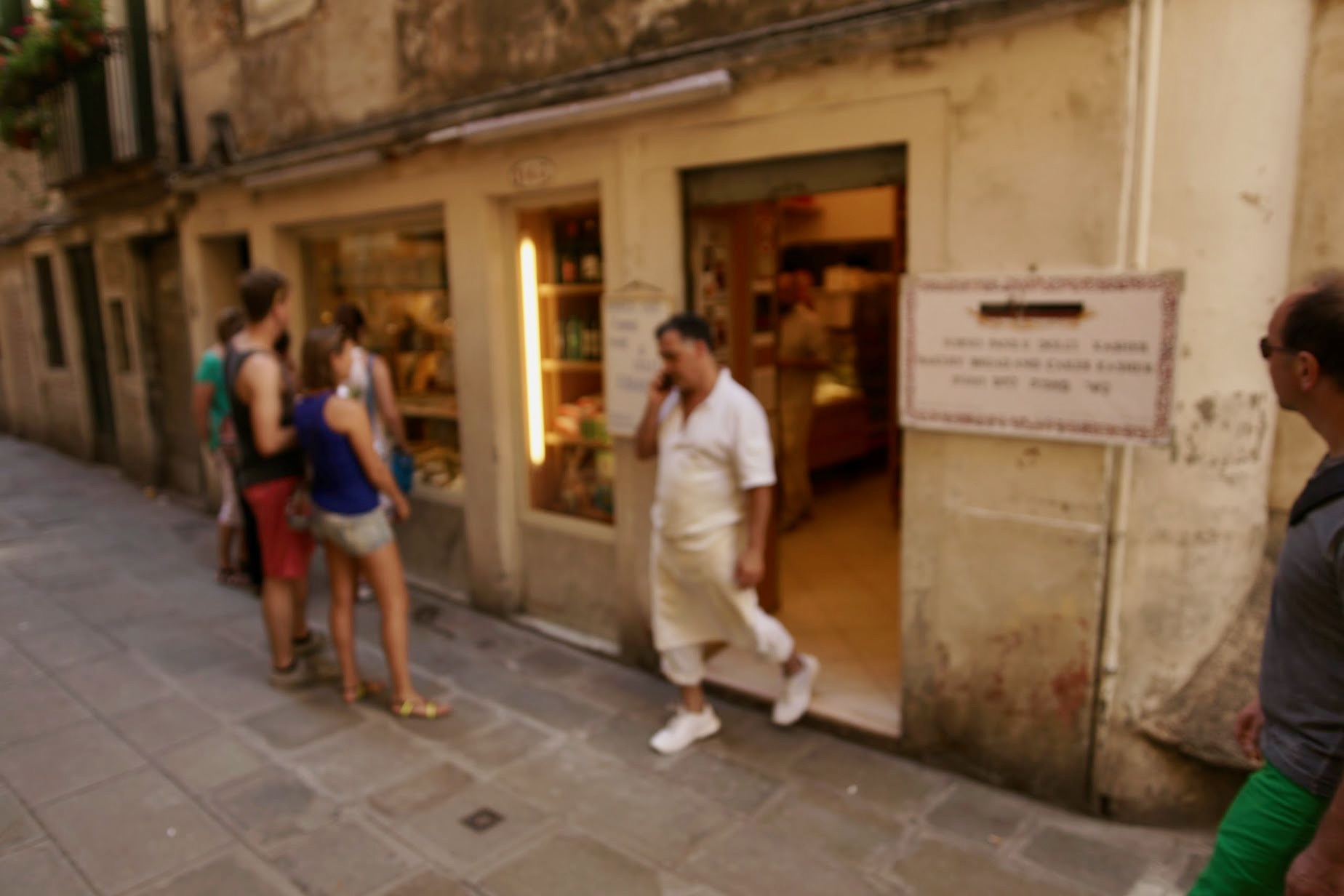
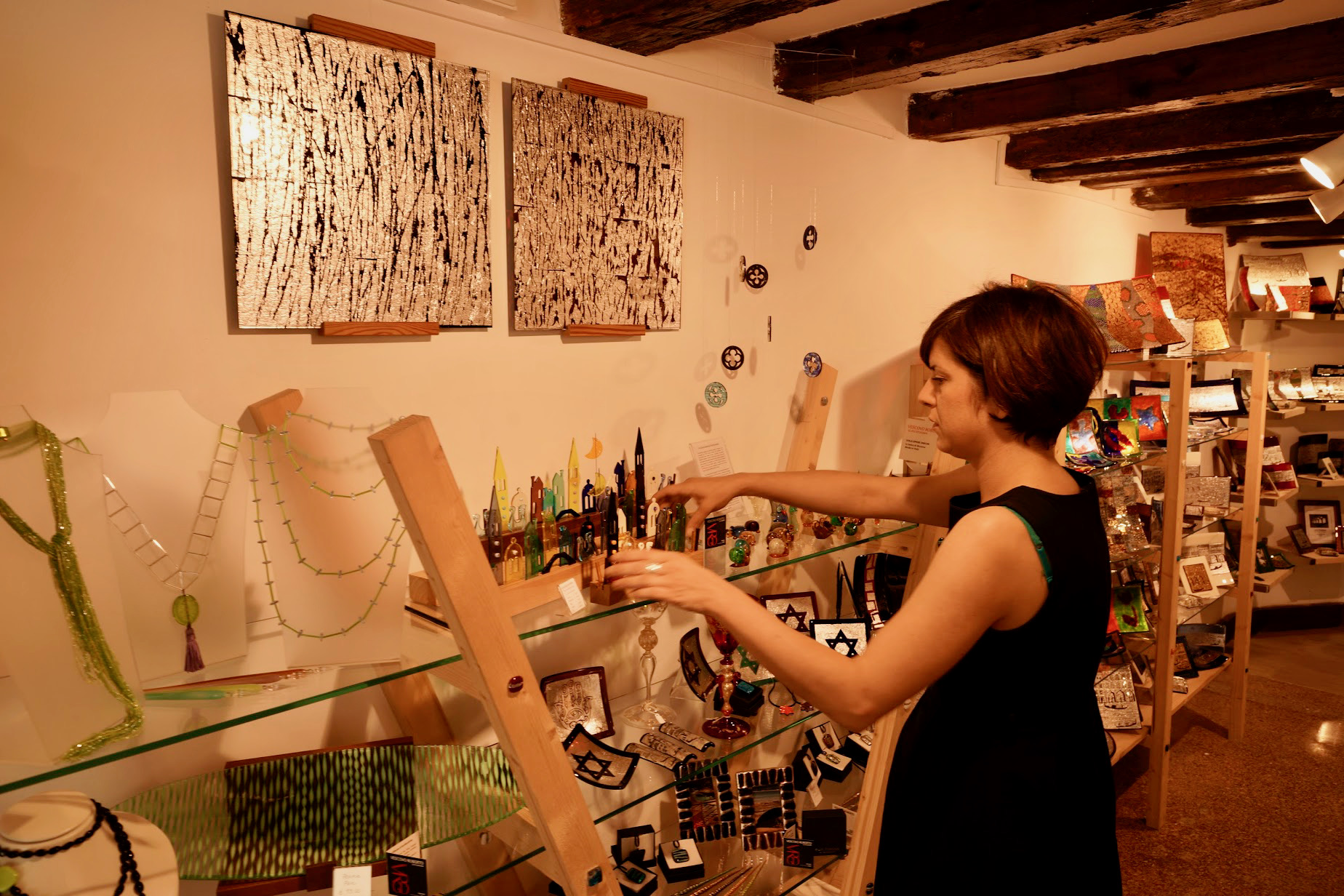
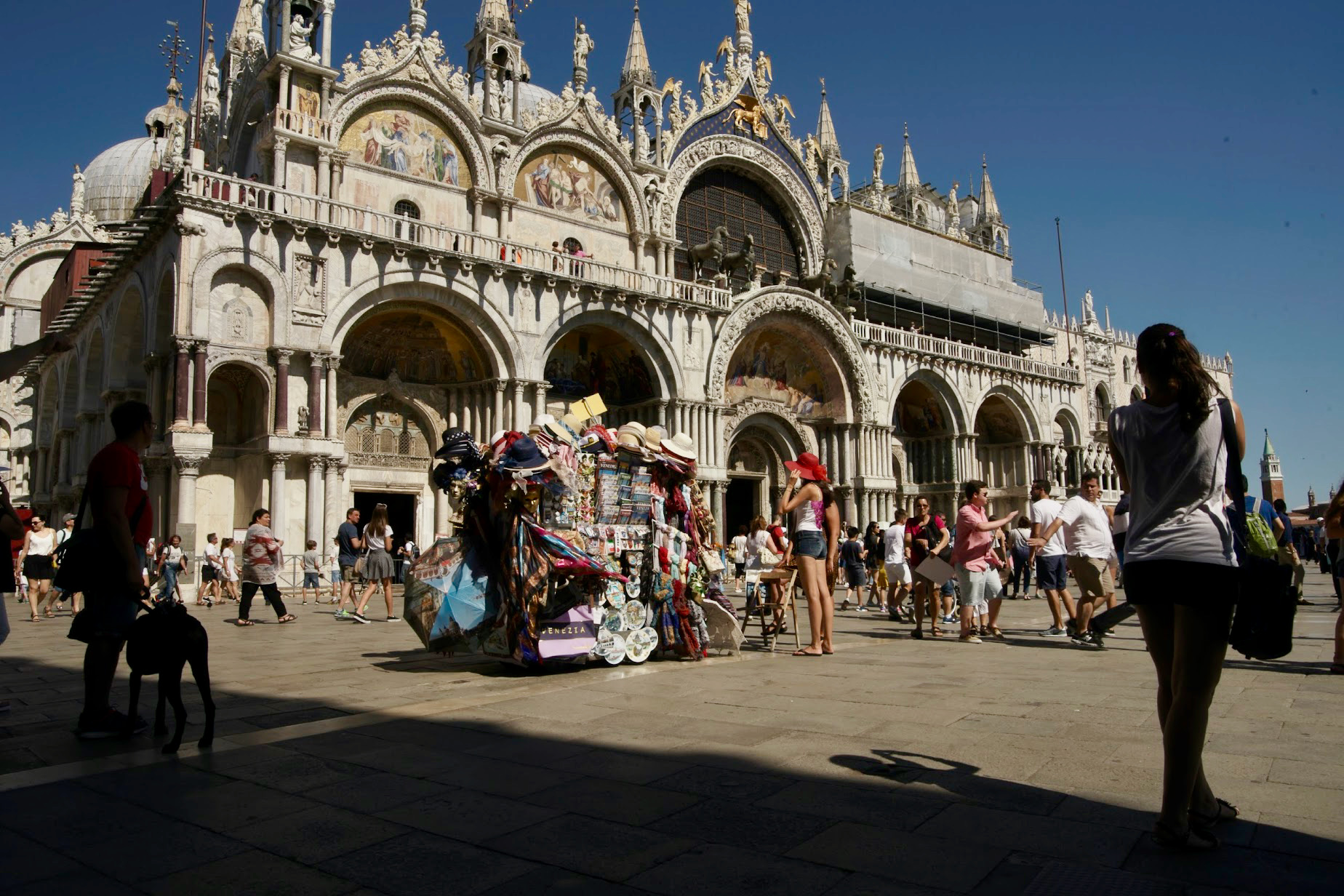
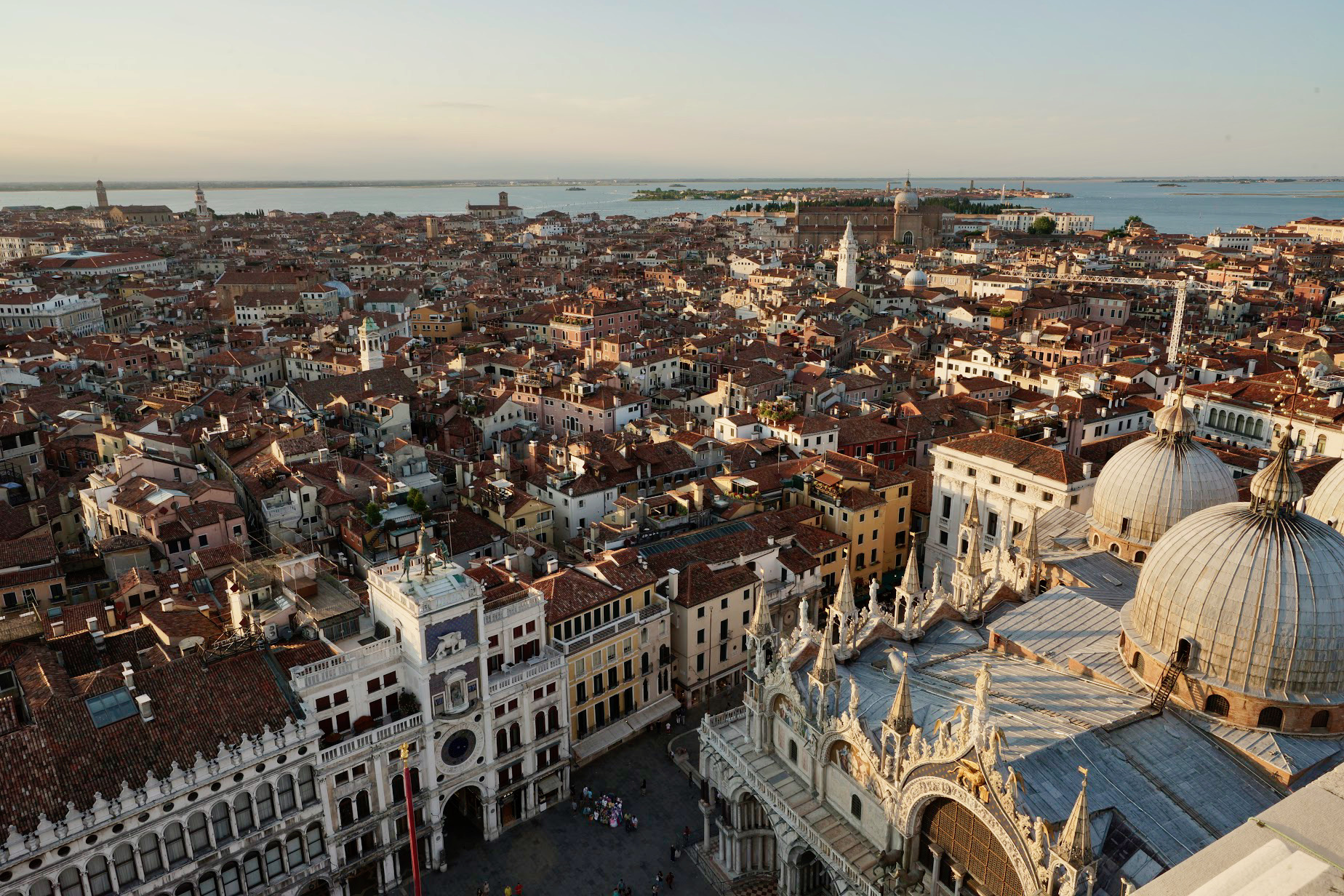


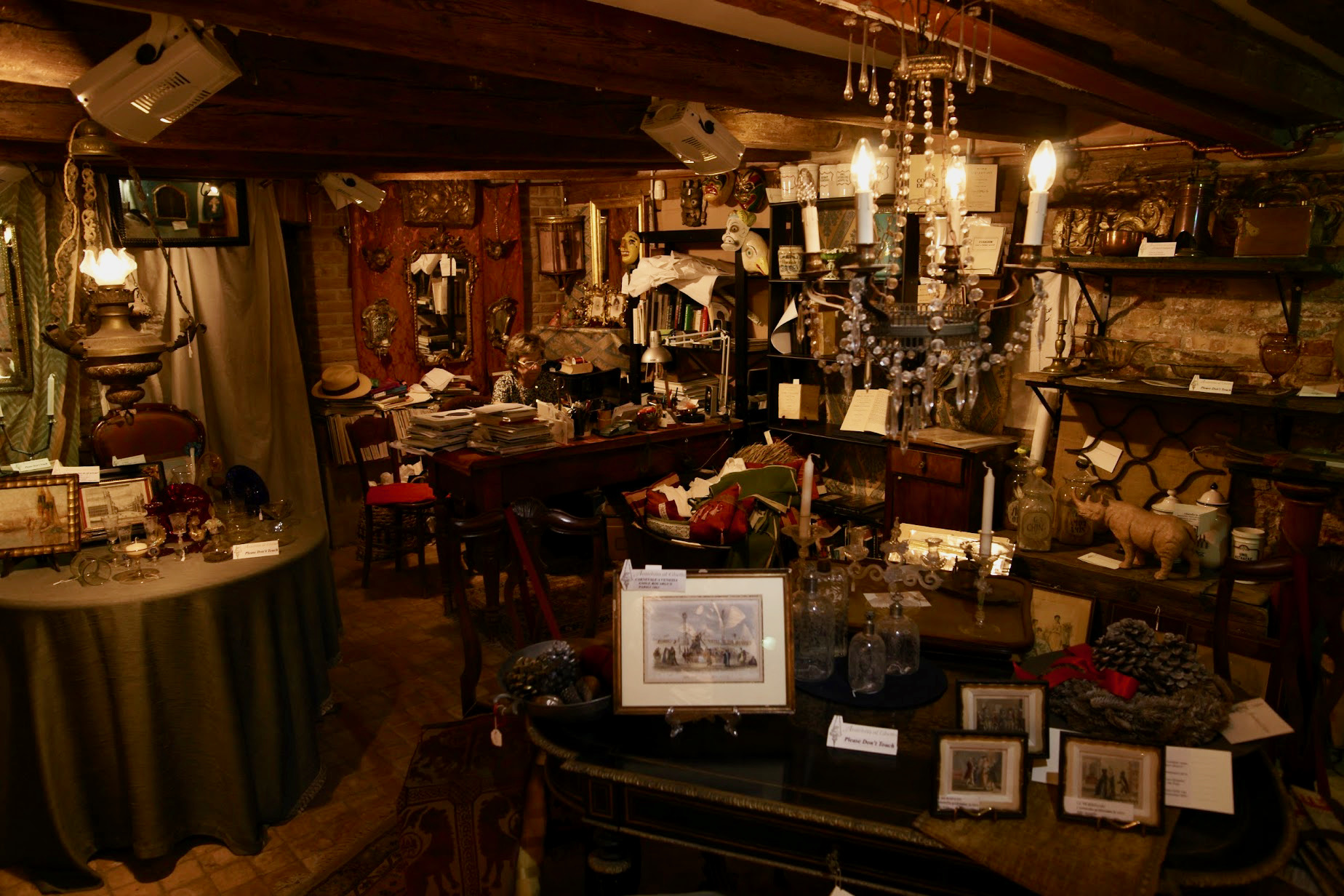
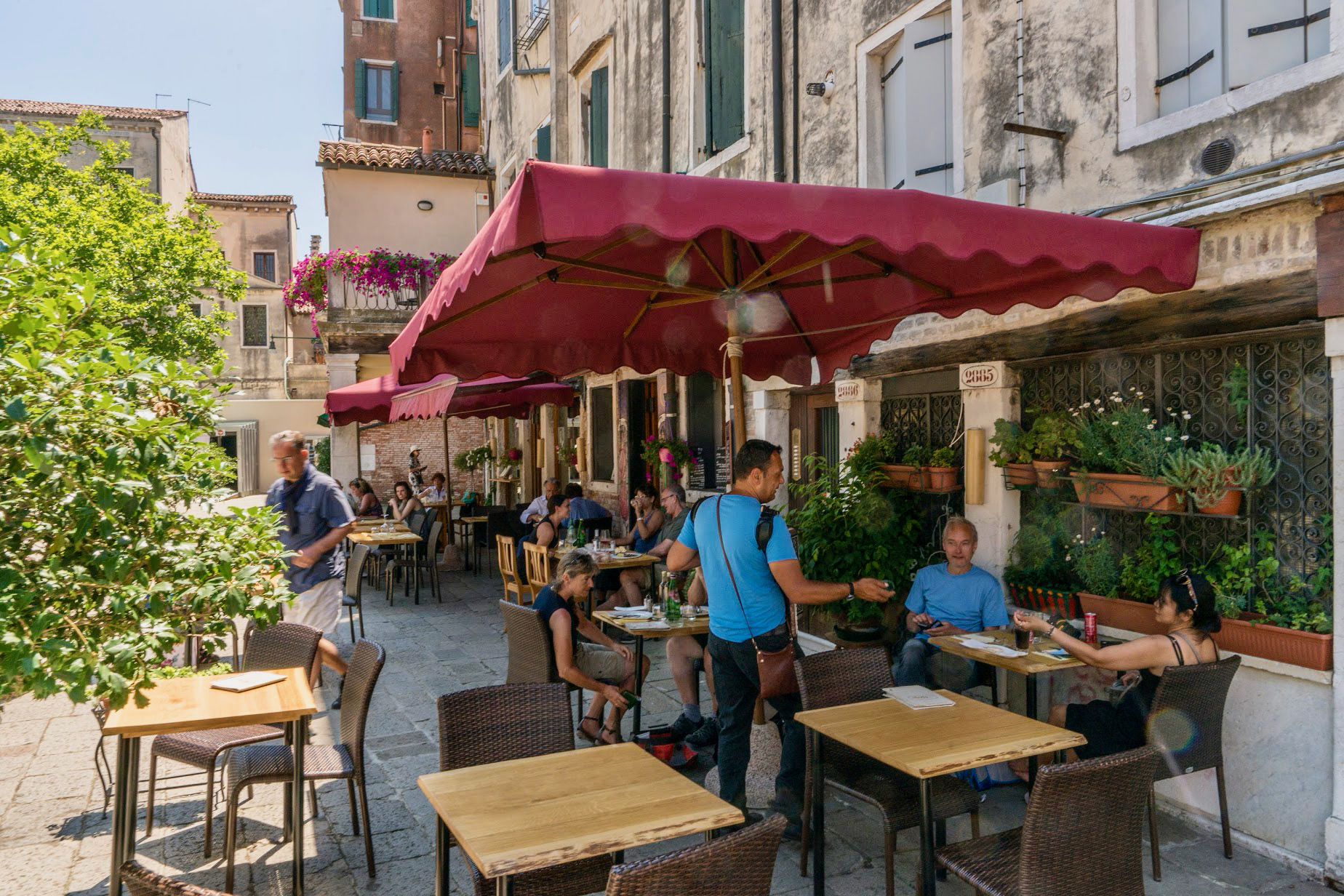


“When you leave the fondamenta (canalside) and go through the gate, you recognize it is a completely different Venice, even if you don’t know why,” says glassmaker Marco Scaramuzza. He runs Vetro di Venezia, a tiny shop full of wonderful contemporary glass art in the heart of the Ghetto, but he enjoys the lack of visitors. “Most of the people who visit here are those who stay in Venice more than one day,” he says. “We have time to discuss the work with them.”
The Ghetto is a tiny area, centred on Campo del Ghetto Nuovo. Like most such squares in the city, it has a distinctive domed rainwater well but it lacks one usual feature: a church. Instead, three synagogues are hidden away behind arched windows, their number offering clues to a complex history. The best way to discover it is on a walking tour starting at the Jewish Museum in one corner of the Campo.
“The Ghetto was founded by the Venetian Republic in 1516,” says guide Simonetta Lazzaretto. “It was a former metal foundry on the outskirts of the city and in the Venetian dialect, getto is the word for casting. The first Jews to live here were Ashkenazi from Germany and they pronounced it with the hard ‘g’. It was the world’s very first ghetto.”
Other communities soon followed and the area expanded from the tiny island of the Ghetto Nuovo across a bridge into the Ghetto Vecchio. (Simonetta explains that the “new” is older than the “old” as the labels came from the former metalworking areas.) During the 16th and 17th centuries, each community built its own synagogue and our tour takes us into three of the five – the other two remain in use.
They are all on the top floor of ordinary-looking buildings, as the Catholic authorities did not allow any ostentatious display of Judaism, although the Jews themselves had to wear a yellow badge or a scarf. The only outward sign is a row of five arched windows but inside they are glorious examples of Venetian architecture – the architects were notable Christian ones as it was not a profession open to Jews.
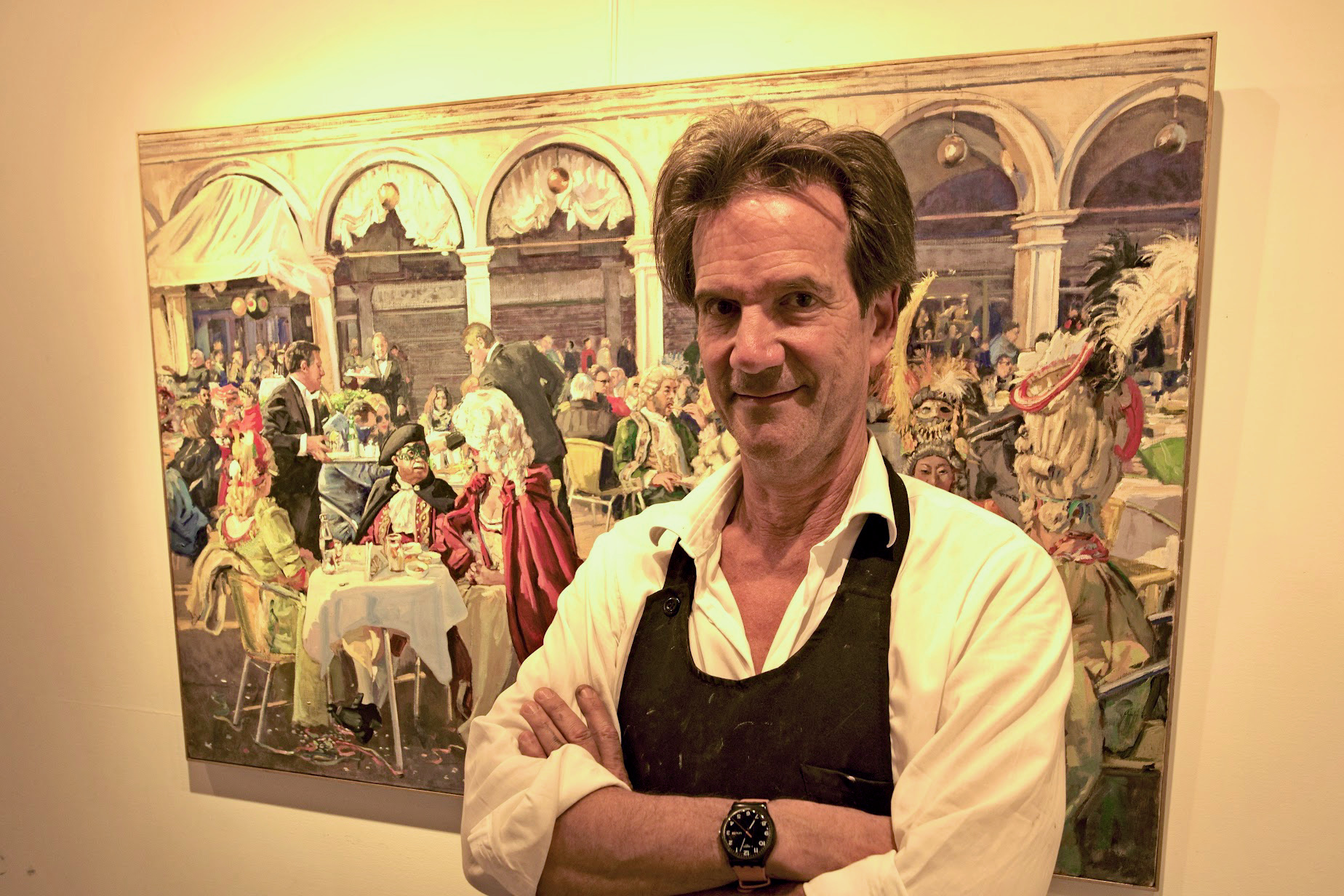
OVER THE CENTURIES, more and more people crammed into the Ghetto until it reached a population of more than 4,000. Forbidden from expanding outward, its buildings grew up into seven-storey, low-ceiling blocks. These “skyscrapers” – unique to this area of Venice – hold cheap apartments that have more recently attracted artists. One such is American Tony Green, whose oil paintings of Venice show his eye for its light and its festivals – a love shared with his other home of New Orleans. Married to an Italian, he lives right on Campo del Ghetto Nuovo.
“The Ghetto is coming alive,” he says. “With no church, it had nothing to attract tourists. It was a forgotten place, which was part of its charm. It still has a great sense of community, because of the Jewish presence. Now small businesses are mushrooming all over but it’s still one of the last authentic bits of Venice.”
Tony’s terrace stands over the portico of another hidden gem: Banco Rosso – the world’s oldest Jewish pawnshop, now a tiny museum but still in its original 16th-century building. It’s a trade made famous by Shakespeare’s The Merchant of Venice.
“The early Jewish residents were forbidden from carrying on any business other than selling second-hand goods,” says Emma Mastrangelo, whose husband now owns the building. “The Church considered it sinful to lend money for interest, so the Jews were forced into usury by the State in order to support the city’s poor.”
Another artist with a gallery here is Michal Meron, from Israel, whose paintings have a strong Jewish theme. “After Napoleon opened up the Ghetto in 1789, very few Jews remained here,” she says. “We are among the few who still live in the Ghetto. The synagogues are still here, and a religious community, so it’s nice to see the contrast between modern Venice and this 500-year history, even for a non-religious person like me. It’s like a small village, where you know all your neighbours. And, yes, the apartments have very low ceilings but that makes it easy to change the light-bulbs!”
Michal’s gallery – The Studio in Venice – is at Canareggio 1152 and nearby at Canareggio 1218 is Arte Ebraica. “It’s the oldest Jewish shop in Italy, opened by my father Marco in 1955,” says Diego Baruch Fusetti. The shop is full of precious objects from silver or glass menoroth to fabrics richly embroidered in Hebrew.
Wandering around the Ghetto, I find other tributes to its Jewish heritage, including a Jewish bookshop and a Yeshiva study centre. Tablets recall some of the notable Jews sent to the Nazi death camps, including Chief Rabbi Adolfo Ottolenghi. A Holocaust Memorial is on the walls of the Campo, next to a nursing home. Almost 300 residents of the Ghetto were deported, many from this home, but only seven returned. The presence of a security booth nearby reminds me that this tragic history still touches the present.
La Serenissima, however, endures and this corner of it reminds us how the city has always welcomed people of all nations and all cultures. While the world around it changes, the Ghetto celebrates its 500 years of history by quietly preserving its past.
This story was originally written for Balgioni Hotel Luna
Further info:
The Jewish Museum was restored for the 500th anniversary of the Ghetto. A guided tour to the synagogues in English and Italian runs every hour from 10.30am until 5.30pm [4.30pm Oct-May]. Tours can also be arranged in other languages, including Hebrew. No tours on Saturday (Shabbat), or Jewish festivities.
Ziva Kraus’s Ikona Venezia specialises in contemporary photography.
The Melori & Rosenberg Art Gallery specialises in contemporary art.
Kosher food can be found at Gam Gam (Cannaregio 1122) and Ghimel Garden on the Campo del Ghetto Nuovo, which offers a sushi dinner on Saturdays. Fish is also a speciality of Ristorante Upupa on the square. The Jewish Museum has a good quality kosher café.
London: World Centre
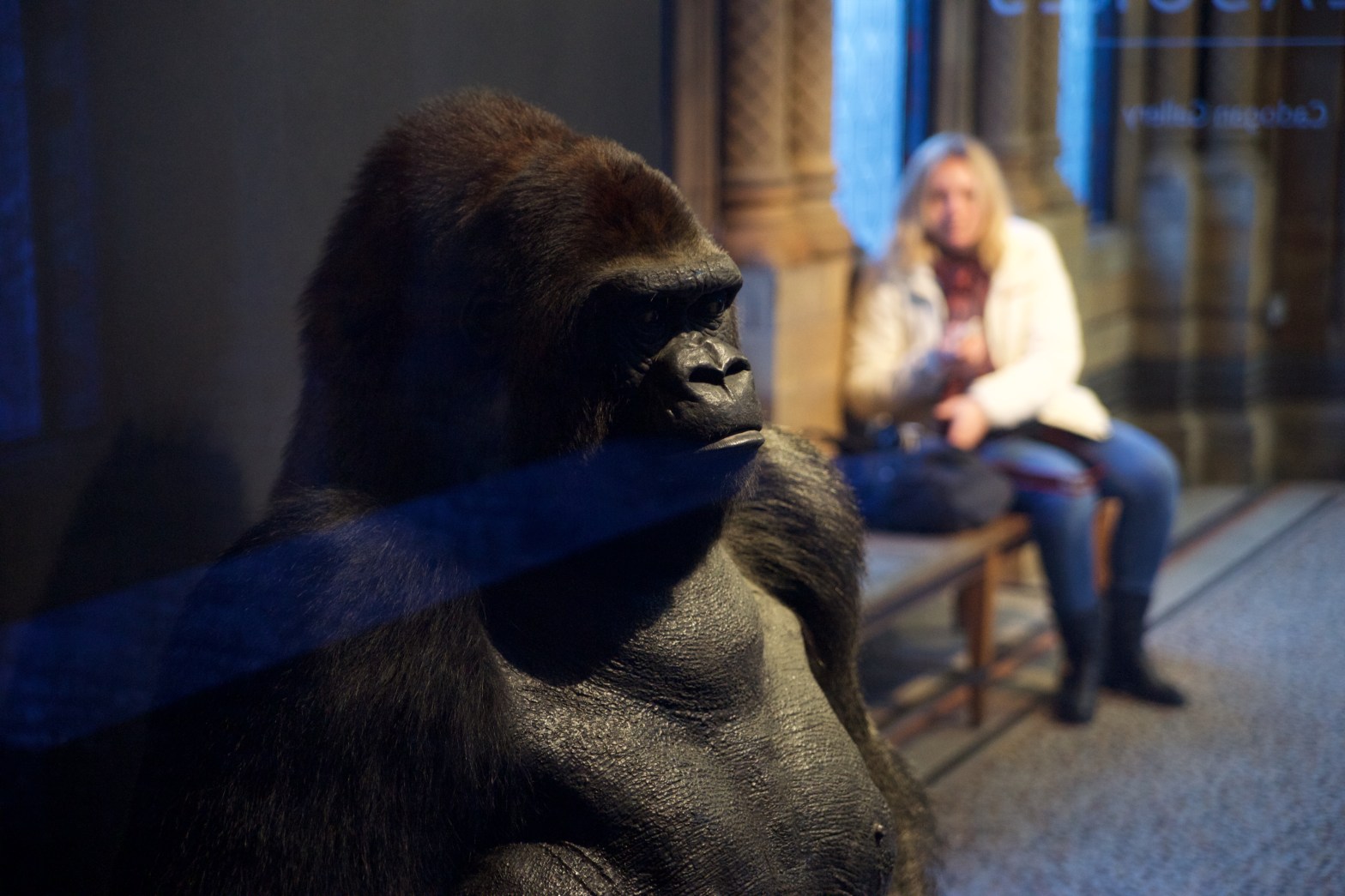
The official center of London is at Trafalgar Square, marked by a small brass plaque in the pavement beneath a statue of Charles I on horseback. “Stand here and you will eventually see everyone you know in the world,” they say. And it’s true I once bumped into someone I worked with a decade before in Africa.
The square is dominated by the Greco-Roman columns of the National Gallery and the tall Nelson’s Column with four massive lions at its base. Despite the warning notices, children and those who should know better clamber over the bronze lions, polishing them ever further. Proud parents and giggling friends photograph the fun. Camera phones, GoPros on sticks and every possible size and brand of camera are in constant action. But most people are just sitting or strolling, taking in the view and the people around them.Continue reading “London: World Centre”
St Petersburg: Tsarry-eyed Wonder
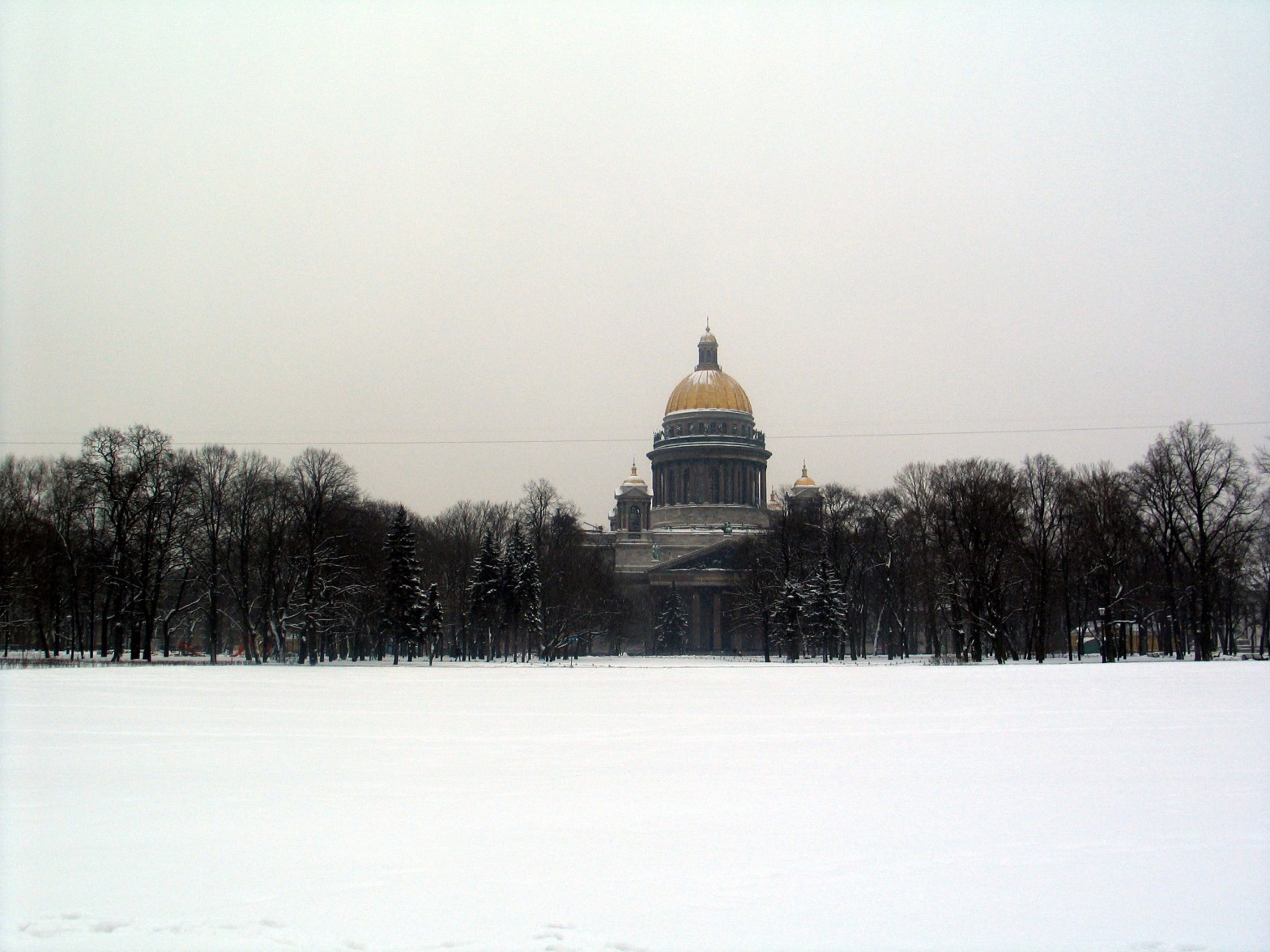
VISITORS TO FLORENCE will be familiar with Stendhal’s Syndrome, a kind of panic or ecstasy brought about by seeing too many wonders in too short a time, named after the impressionable young 19th-century French novelist.
I’m sure the Russians have a parallel name for those overcome by the arguably even greater wonders of St Petersburg – probably something like Jaw-Drop Syndrome.
Arlington, Virginia: Past glories

THERE is nothing like Arlington in Britain, a national cemetery for all who have died in the service of their country. London has St Paul’s and Westminster Abbey, with their grand memorials, and the great graveyards of endless war dead in Flanders, Changi and Normandy. But Arlington is all those, and more.
Lower Saxony: High Living

This is an extract from my article in the October issue of Food & Travel magazine: www.foodandtravel.com
AMERICAN Michael Boyer (pictured) has the glorious title of “Rattenfanger’ in the town of Hameln (better known to us as Hamelin). It means ‘Rat-Catcher’ but he is, of course, the brightly arrayed Pied Piper who famously led the town’s children away after not being paid for doing the same to the rats.Continue reading “Lower Saxony: High Living”
 Inherit The Earth